
Editorial Technology Intelligence

UNDERSTAND WHAT'S NEXT.

A practical guide to emerging software, hardware, and digital technology. We analyze real architectural shifts across compute nodes, autonomous units, neural systems, and user interfaces without promotional inflation.

FUTURE TECHNOLOGY SOFTWARE HARDWARE SYSTEMS INTERFACES
SYSTEM-SPECTRUM // ARCHITECTURE OVERVIEW
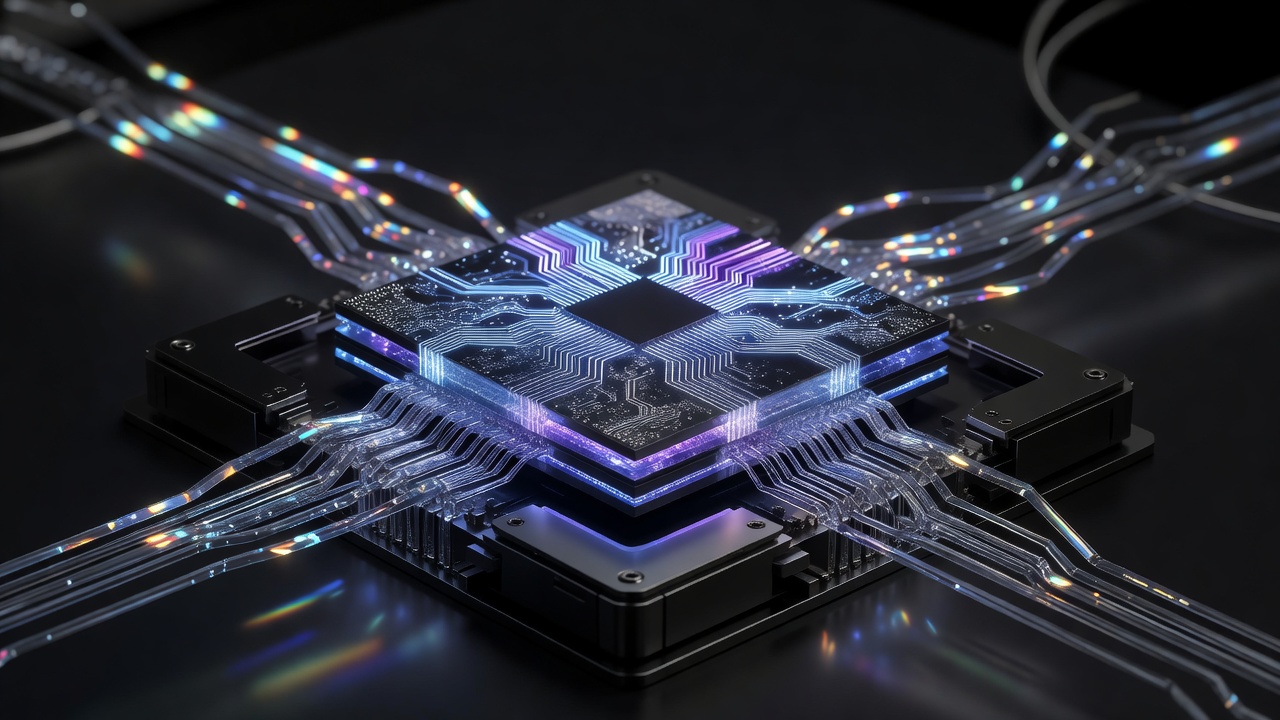
Photorealistic 3D rendered quantum processor computing unit with glowing intricate circuits and crystalline optical interconnects
EDITORIAL FRAMEWORK

DISCOVER → UNDERSTAND → COMPARE → EVALUATE → EXPLORE

Technical shifts cannot be appraised through marketing releases. We evaluate physical limitations, silicon yield curves, software architectural debt, sensor latency, and user fatigue to explain how systems actually operate in production environments.

Core Intelligence Areas

The Five Foundations

Practical reference guides examining critical technological vectors across hardware, algorithms, and interface mechanics.

Hyper-realistic 3D render of a luminous neural network lattice structure with glowing synapses and floating volumetric nodes
CATEGORY 01 // COMPUTATIONAL INTELLIGENCE

Emerging AI

Evaluation of modern neural architectures, multimodal context engines, and autonomous execution loops. We analyze memory bandwidth constraints, inference economics, non-deterministic failure modes, and practical supervision layers.
Multimodal Systems Autonomous Agents Edge Inference Context Handling
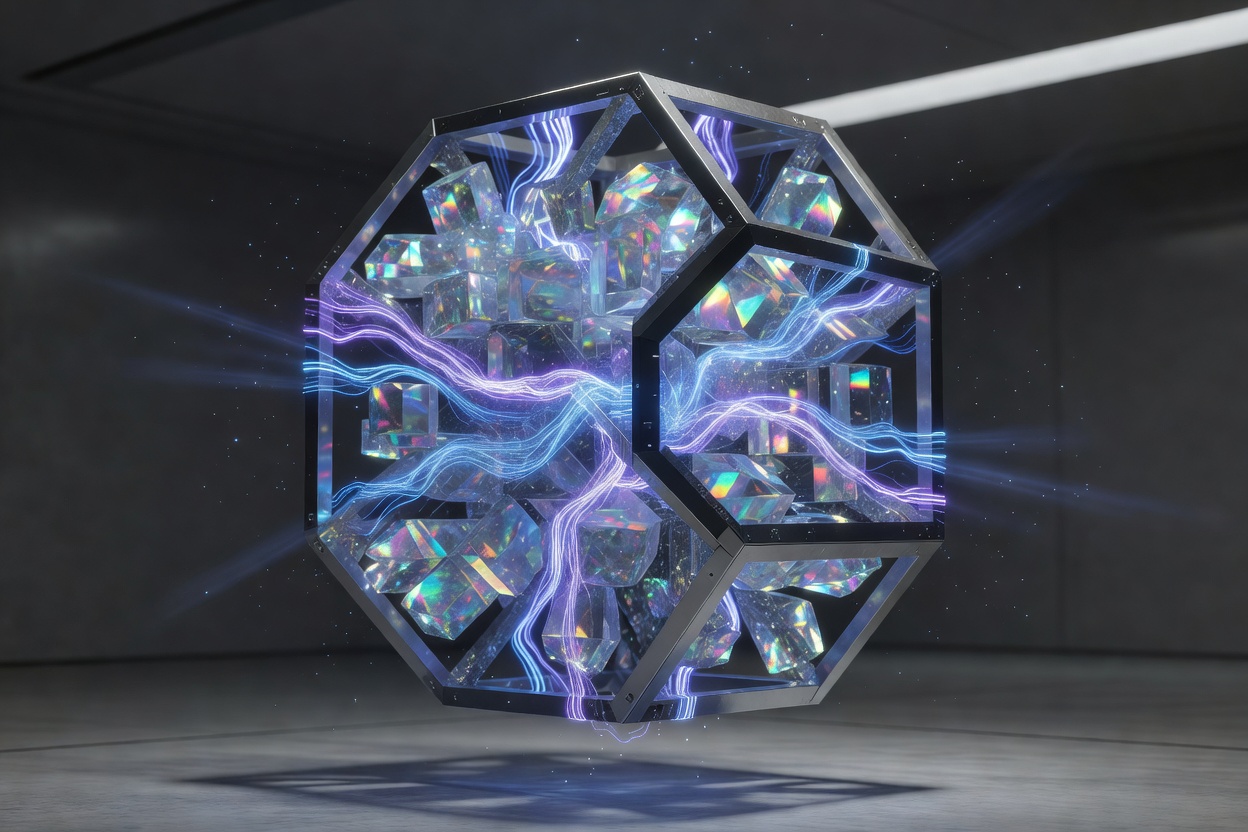
Vivid 3D realistic rendering of a volumetric quantum computational core with holographic energy pathways and crystalline data buffers
CATEGORY 02 // ARCHITECTURE & PARADIGMS

Future Computing

Deep dive into non-von Neumann processing paradigms, quantum co-processors, distributed edge clusters, and optical interconnects. We inspect the realities of memory-wall bottlenecks, cooling limitations, and real algorithmic speedups.

Quantum Annealing Heterogeneous SoCs Near-Memory Compute Low Thermal Overhead
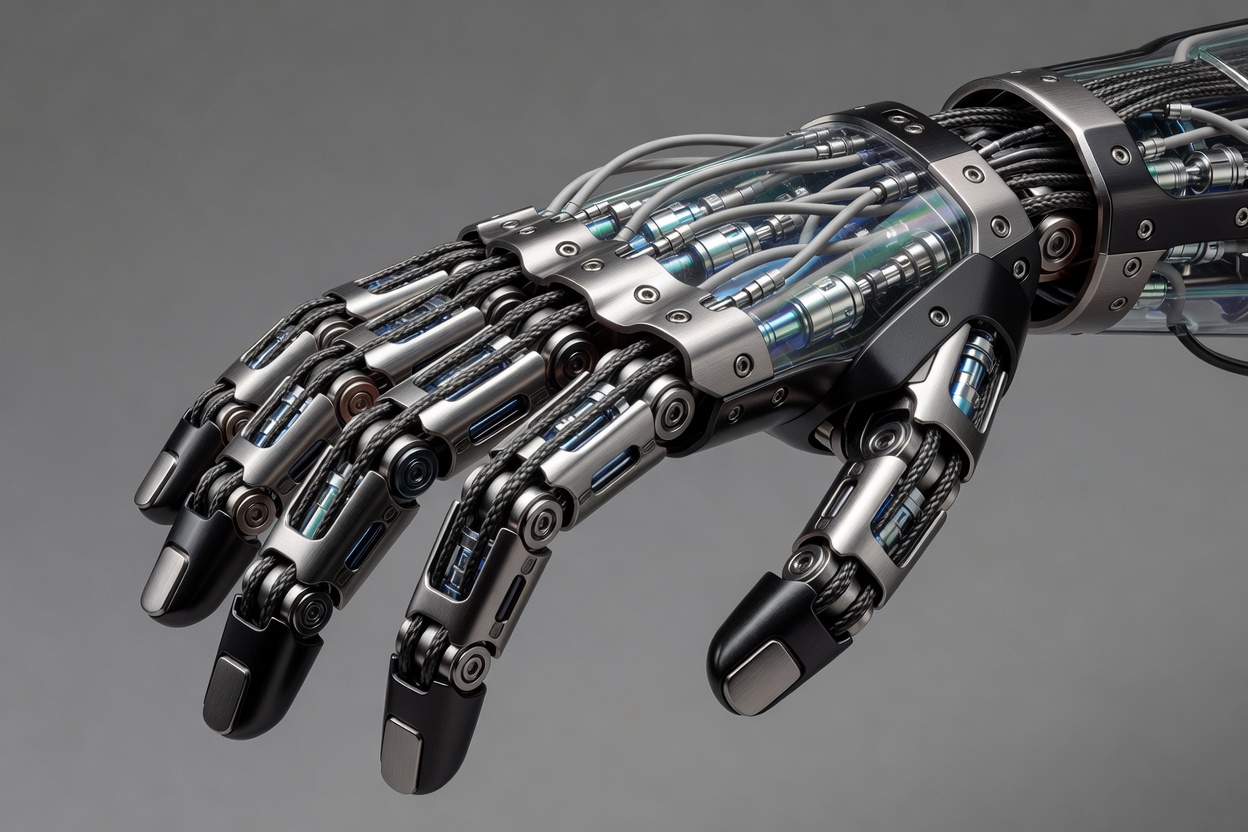
Detailed 3D realistic rendering of a cybernetic articulated robotic hand showing carbon-fiber tendons and internal hydraulic micro-actuators
CATEGORY 03 // PHYSICAL EMBODIMENT

Robotics & Autonomous Systems

Systematic review of industrial kinematics, mobile robotic bases, humanoid dynamic balance, and real-time vision loops. We delineate laboratory trials from industrial deployment realities, safety enclosures, actuator wear, and edge SLAM.

Mobile Autonomy High-Hz Feedback Actuator Longevity Computer Vision
Precision 3D photorealistic macro view of an advanced semiconductor die package with microscopic silicon micro-bumps and glowing golden bus lanes
CATEGORY 04 // SILICON & FABRICATION

Next-Generation Hardware

Technical assessment of advanced packaging, chiplets, sub-2nm fabrication nodes, MicroLED displays, solid-state batteries, and MEMS telemetry. We evaluate thermal throttling profiles, supply chain yields, and energy density realities.

Advanced Packaging MEMS Sensors Thermal Budgets MicroLED Density
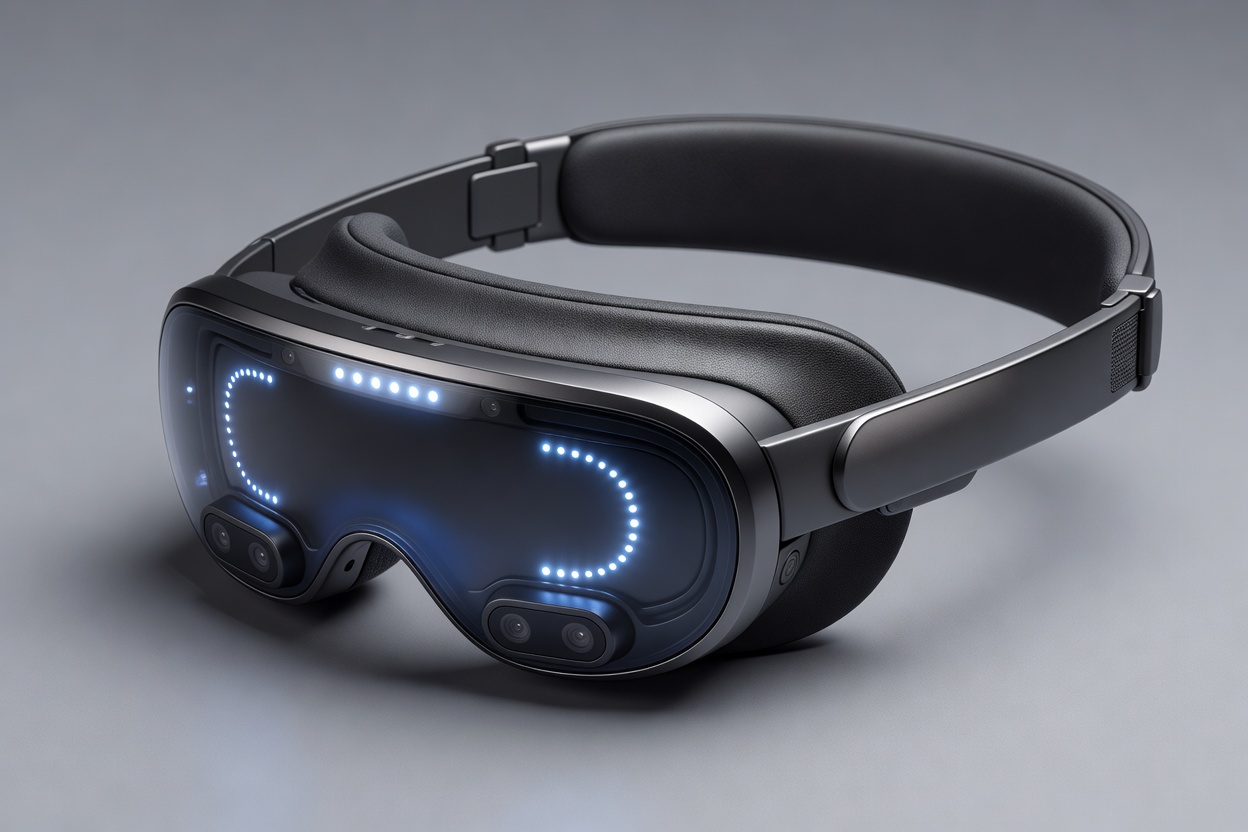
Realistic 3D model rendering of an ergonomic spatial computing headset with illuminated optical lenses and forward eye-tracking sensor arrays
CATEGORY 05 // HUMAN-COMPUTER INTERACTION

Future Interfaces

Objective analysis of spatial computing, eye-tracking precision, continuous voice processing, micro-gesture sensing, and neural telemetry. We analyze motion-to-photon latency limits, muscle fatigue, cognitive load, and environmental audio clutter.

Spatial Displays Gaze Latency <10ms Micro-Gestures Ergonomic Fatigue
Interdependent Architecture

THE TECHNOLOGY STACK IS CHANGING.

Modern technological progress does not occur in independent silos. Breakthroughs in foundational silicon enable new computational architectures, which expand algorithmic capability, driving richer sensing and transforming interface ergonomics.

01
SILICON & COMPUTE
Sub-2nm nodes, 3D die stacking, and near-memory SRAM architectures unlock power budgets.
02
ALGORITHMS & AI
Efficient tensor execution permits local neural models to run inside real-time constraints.
03
SENSORS & EMBODIMENT
Solid-state LiDAR and low-drift MEMS generate dense environmental telemetry at millihertz cost.
04
INTERFACE & USAGE
Low-latency spatial systems and adaptive voice loops replace rigid pointer-driven modalities.

Why Systems Fail When Stacked Improperly

An algorithm requiring 80 billion parameters cannot deliver acceptable spatial interfaces if running on a battery-constrained wearable without dedicated neural accelerators. Likewise, industrial robotics cannot achieve human-safe co-presence without 1,000Hz sensor feedback loops and deterministic RTOS kernels. When selecting emerging technologies, engineering teams must appraise the entire dependency chain rather than inspecting components in isolation.

Direct Technical Exchange

Questions On Emerging Architecture?

Have technical inquiries regarding hardware roadmaps, model deployments, or interface integration trade-offs? Contact our editorial staff directly.